

Frosting cracks in chilled bakery products are a frequent issue in retail environments. They often appear when products are stored in a bakery display case that does not maintain stable environmental conditions. This problem directly impacts bakery product appearance, reduces perceived freshness, and can negatively affect customer purchasing decisions.
In competitive bakery retail, even small visual defects can reduce sales. Customers often associate cracked frosting with poor quality, even when the product is freshly made. Understanding the root causes of this issue is essential for improving display performance and maintaining consistent product quality.
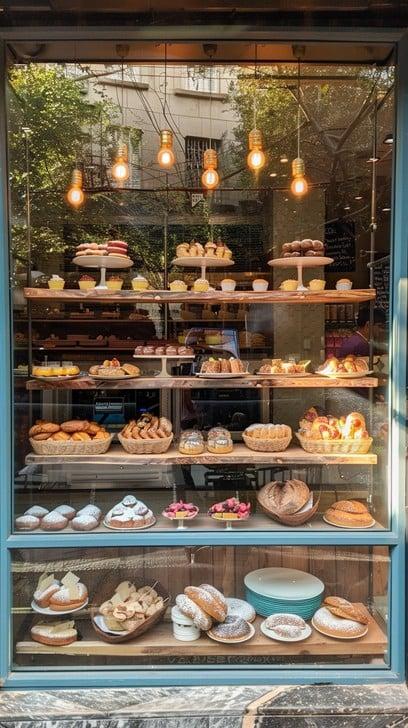
1. Uneven Temperature Control Inside Display Systems
One of the main causes of frosting cracks is inconsistent cooling. A stable internal environment is essential for protecting delicate bakery finishes.
When the bakery display case temperature fluctuates throughout the day, frosting expands and contracts repeatedly. This constant movement weakens the surface structure and eventually leads to visible cracks.
These fluctuations usually happen due to:
- Frequent door openings
- Improper thermostat settings
- Uneven cooling distribution inside the unit
- Even small temperature variations can affect sensitive products like cream cakes and decorated pastries.
2. Airflow Imbalance and Surface Drying
Air circulation inside refrigerated units plays a critical role in maintaining product quality. However, when airflow is not properly balanced, it can create dry zones inside the display.
Poor bakery case airflow can cause:
- Excess drying of frosting surfaces
- Uneven cooling across shelves
- Weakening of decorative layers
When air moves too strongly across products, it removes surface moisture too quickly. This leads to hardening and cracking of frosting layers, especially on delicate items stored in a bakery display refrigerator.
On the other hand, weak airflow can trap humidity, creating soft spots that later collapse when conditions change.
3. Humidity Imbalance and Condensation Issues
Humidity control is just as important as temperature control in bakery environments. When moisture levels are unstable, frosting becomes vulnerable to structural damage.
Common issues include:
- Excess moisture causing softening
- Low humidity causing dryness and brittleness
- Fluctuating conditions leading to surface stress
These conditions contribute to bakery condensation problems, which occur when warm air enters the chilled display and condenses on colder surfaces.
Over time, this moisture imbalance weakens frosting stability and increases the risk of cracking.
4. Glass Fogging as a Warning Sign
Another indicator of environmental imbalance is bakery case glass fogging. While it may seem like a minor visibility issue, it often signals deeper humidity and temperature problems inside the display unit.
When fogging occurs frequently, it means:
- Moisture levels are too high
- Air circulation is not properly controlled
- Temperature differences are unstable
These same conditions that cause fogging also contribute to frosting instability in cakes and pastries.
5. Equipment Performance and Maintenance Factors
The condition of bakery equipment plays a major role in product quality. A poorly maintained system cannot maintain stable environmental conditions.
Key maintenance issues include:
- Blocked air vents
- Dirty cooling components
- Weak refrigeration performance
A well-maintained commercial bakery equipment setup ensures consistent cooling, balanced airflow, and stable humidity levels.
Without proper maintenance, even high-quality bakery products can lose their visual appeal quickly inside display units.
6. Combined Impact on Bakery Product Quality
Frosting cracks are not caused by a single factor. They result from a combination of environmental and operational issues inside the display system.
When temperature, airflow, and humidity are not balanced, it directly affects:
- Bakery product freshness
- Visual presentation quality
- Customer perception of value
This leads to reduced sales performance and increased product waste over time.
Maintaining stable conditions inside a bakery display case is essential for protecting product integrity and ensuring consistent retail performance.
For More Information
Conclusion
Frosting cracks are a clear sign of unstable environmental conditions inside bakery refrigeration systems. When temperature fluctuations, airflow imbalance, humidity changes, and condensation issues combine, they weaken frosting structure and reduce product appeal.
By maintaining a properly controlled bakery display case and ensuring stable operation of commercial bakery equipment, retailers can significantly reduce product damage, improve presentation quality, and maintain consistent bakery product freshness.