
1. What Chocolate Bloom Actually Means
Chocolate bloom refers to a visible change on the surface of chocolate desserts caused by fat or sugar crystallization. It does not mean the product is spoiled, but it significantly affects appearance and texture perception.
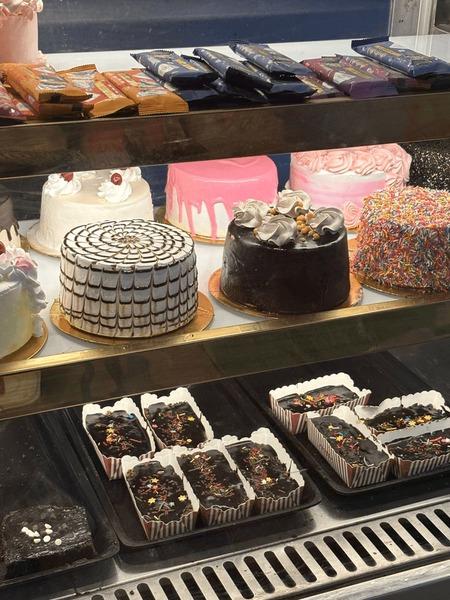
Inside a commercial bakery display case , bloom typically develops due to unstable storage conditions. When temperature or humidity fluctuates, cocoa butter or sugar crystals migrate to the surface and solidify unevenly.
There are two main types:
- Fat bloom (caused by temperature changes)
- Sugar bloom (caused by moisture exposure)
Both are directly linked to environmental instability inside bakery refrigeration systems.
2. Temperature Fluctuations and Chocolate Instability
One of the primary causes of bloom is inconsistent cooling. A stable bakery display case temperature is essential for maintaining chocolate structure and appearance.
When temperature rises and falls repeatedly, chocolate undergoes physical changes:
- Cocoa butter melts slightly during warming cycles
- It re-solidifies unevenly during cooling
- Crystals form on the surface over time
This cycle leads to visible whitening and dullness.
In a refrigerated bakery display case, frequent door openings, poor thermostat control, or overloaded cooling systems can create these fluctuations. Even small variations can trigger bloom formation in sensitive chocolate desserts.
3. Humidity and Moisture Exposure Issues
Humidity plays a major role in chocolate stability. When moisture levels inside a bakery display refrigerator are not properly controlled, condensation can form on product surfaces.
This leads to sugar bloom, where moisture dissolves sugar on the surface and then recrystallizes as it evaporates. The result is a grainy, white layer that affects both texture and appearance.
High humidity inside bakery displays can occur due to:
- Warm air entering the unit frequently
- Poor sealing of display doors
- Inadequate airflow balance
These conditions directly reduce bakery product freshness and shorten display life.
4. Airflow Problems Inside Display Systems
Air circulation is often overlooked but plays a critical role in chocolate quality. Poor airflow inside a cake display case can create uneven temperature zones, which accelerate bloom formation.
If airflow is too strong:
- Chocolate surfaces dry too quickly
- Fat separation becomes more likely
If airflow is too weak:
- Moisture accumulates in pockets
- Temperature becomes uneven across shelves
Both conditions disrupt chocolate stability and lead to visible surface defects over time.
5. Condensation and Surface Damage
When warm air meets cold surfaces, condensation forms. This is one of the main triggers for bloom in bakery environments.
In a pastry display case, condensation often occurs when:
- Doors are opened frequently
- Humidity levels are not controlled
- Temperature drops too quickly
This contributes to bakery condensation problems, which directly affect chocolate desserts. Moisture interacts with sugar or fat on the surface, causing crystallization and visible whitening.
Over time, repeated condensation cycles make the issue worse, leading to permanent surface dullness.
6. Display Conditions and Light Exposure
Lighting inside bakery units also contributes indirectly to chocolate bloom. A bakery display case lighting system that generates excess heat can create localized temperature variations.
These small heat zones cause:
- Uneven melting of cocoa butter
- Surface instability in chocolate coatings
- Gradual loss of gloss and shine
Even though lighting is essential for presentation, improper heat management can accelerate quality degradation in sensitive products.
7. Equipment Performance and Maintenance Factors
Proper equipment maintenance is essential for preventing bloom formation. A well-functioning commercial bakery equipment setup ensures stable cooling, controlled humidity, and consistent airflow.
However, several operational issues can increase bloom risk:
- Dirty cooling coils reducing efficiency
- Poor sealing of display units
- Irregular temperature calibration
- Overloading shelves blocking airflow
When these issues persist, even high-quality chocolate desserts lose their visual appeal quickly inside bakery displays.
8. Impact on Sales and Product Perception
Chocolate bloom does not affect safety, but it significantly affects customer perception. In retail environments, appearance is a key driver of purchase decisions.
Customers often associate bloomed chocolate with:
- Old or expired products
- Poor storage practices
- Reduced product quality
This leads to lower impulse purchases and reduced bakery sales, even when products are still fresh.
Maintaining stable conditions inside a bakery display case is therefore essential for both product quality and business performance.
For More Information
For more insights on optimizing bakery display systems and improving product performance, visit https://www.bakerydisplay.case.com. The platform offers professional solutions designed to enhance display efficiency, preserve product quality, and support retail success.
Conclusion
Chocolate bloom inside bakery environments is primarily caused by unstable temperature, humidity, and airflow conditions. When a bakery display case cannot maintain consistent environmental control and a bakery display case temperature fluctuates frequently, chocolate desserts quickly lose their shine, texture, and visual appeal.
By maintaining proper refrigeration management, balanced airflow, and controlled humidity, retailers can significantly reduce bloom formation, improve bakery product freshness, and ensure better customer satisfaction.