
1. The Importance of Stable Temperature for Cheesecake
Cheesecake relies on a precise balance of cooling to maintain its creamy consistency. A stable bakery display case temperature ensures that the product remains firm enough to hold its structure while staying soft enough for a pleasant eating experience.
When temperature fluctuates, the internal structure of cheesecake begins to respond immediately. These fluctuations can occur due to compressor cycling, frequent door openings, or uneven cooling distribution inside the display unit.
Repeated exposure to warming and cooling cycles leads to:
- Expansion and contraction of dairy fats
- Weakening of structural stability
- Formation of surface cracks
- Loss of smooth texture
Over time, these changes reduce both visual appeal and eating quality, which directly affects customer perception and sales performance.
2. Airflow Imbalance Inside Refrigerated Display Systems
Air circulation plays a critical role in maintaining uniform temperature. A poorly regulated bakery display refrigerator can create uneven cooling zones that affect cheesecake differently depending on its placement.
If airflow is too strong, it can:
- Dry out the surface of the cheesecake
- Cause uneven texture on exposed edges
- Lead to premature hardening of frosting layers
If airflow is too weak, it can:
- Create warm pockets inside the display
- Allow localized softening of product sections
- Encourage bacterial growth risk if conditions persist
These inconsistencies make it difficult to maintain uniform product quality across multiple shelves, especially in high-traffic retail environments where displays are frequently accessed.
3. Moisture Migration and Texture Breakdown
Cheesecake depends heavily on controlled moisture balance. When temperature swings occur, moisture inside the product begins to shift between layers. This process weakens the internal structure and affects overall consistency.
Inside a cake display case, repeated cooling and warming cycles can cause:
- Separation of creamy layers
- Drying of outer edges
- Soggy or unstable base structure
These changes do not always happen instantly. Instead, they develop gradually over time, making the product appear acceptable at first but deteriorating in quality during extended display periods.
Once moisture balance is disrupted, it cannot be fully restored even if the product is returned to ideal temperature conditions.
4. Condensation and Its Effect on Product Stability
Temperature fluctuations often lead to condensation inside refrigerated environments. When warm air enters a cold display, moisture forms on surfaces and may settle on cheesecake portions.
This contributes to bakery condensation problems, which directly affect product stability and hygiene perception. Condensation can lead to:
- Softening of the cheesecake surface
- Water accumulation on packaging or trays
- Structural weakening of decorative toppings
In severe cases, repeated condensation cycles can cause the cheesecake base to lose firmness, making it difficult to slice cleanly and serve attractively.
Over time, this reduces both product quality and operational efficiency in retail environments.
5. Visual Degradation and Customer Perception
In bakery retail, visual appeal is just as important as taste. Cheesecake is often displayed as a premium product, meaning customers expect a smooth, flawless appearance.
A pastry display case is designed to enhance visibility, but it cannot compensate for poor temperature control. When temperature swings occur, cheesecake may develop:
- Uneven or sunken surfaces
- Loss of gloss and freshness appearance
- Minor cracks or color dullness
Customers are highly sensitive to visual quality. Even slight imperfections can lead to reduced trust in product freshness. This directly impacts impulse purchases and overall bakery sales performance.
6. Equipment Performance and Maintenance Factors
The condition of refrigeration equipment plays a significant role in controlling temperature stability. A properly functioning commercial bakery equipment setup ensures consistent cooling cycles and reduces environmental fluctuations.
However, several operational issues can increase temperature swings:
- Frequent opening of display doors
- Overcrowding of shelves blocking airflow
- Inadequate maintenance of cooling systems
- Incorrect thermostat calibration
When these factors are not managed properly, even high-quality cheesecake will struggle to maintain its intended texture and presentation quality.
Regular maintenance and monitoring are essential to ensure consistent performance and prevent long-term product degradation.
7. Combined Impact on Shelf Life and Waste Reduction
Temperature instability does not only affect appearance—it also reduces overall shelf life. Cheesecake exposed to fluctuating conditions deteriorates faster, leading to increased product waste and reduced profitability.
Key consequences include:
- Shortened display life
- Increased product shrink
- Higher risk of unsellable inventory
- Reduced customer satisfaction
Maintaining stable conditions inside a bakery environment helps reduce unnecessary waste and improves operational efficiency across the retail chain.
8. Importance of Controlled Display Environments
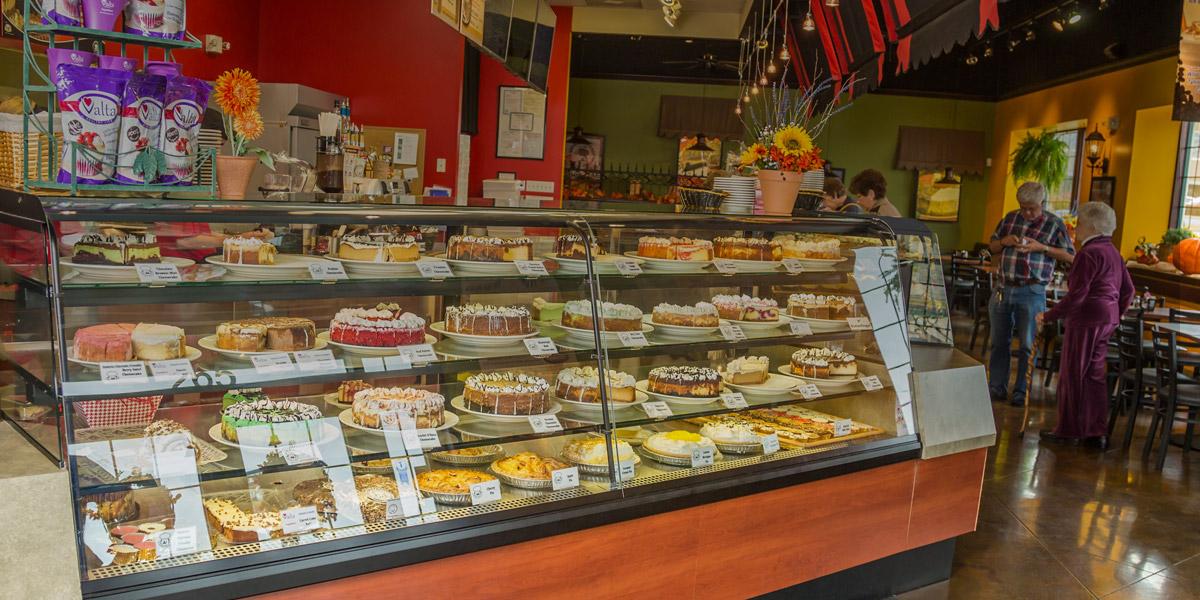
Modern bakery operations rely heavily on controlled refrigeration systems to ensure product consistency. A properly managed bakery display case helps maintain stable environmental conditions that protect sensitive items like cheesecake.
When temperature, airflow, and humidity are properly balanced, cheesecake retains its creamy texture, smooth surface, and visual appeal for longer periods. This improves both product quality and customer experience.
Retailers who invest in proper environmental control also benefit from:
- Reduced waste
- Improved product consistency
- Higher sales conversion rates
- Stronger brand perception
For More Information
For more insights on optimizing bakery display systems and improving product performance, visit https://www.bakerydisplay.case.com. The platform offers professional solutions designed to enhance display efficiency, preserve product quality, and support retail success.
Conclusion
Temperature swings inside bakery refrigeration systems have a direct and measurable impact on cheesecake quality. When a bakery display case fails to maintain stability and the bakery display case temperature fluctuates frequently, the product loses its texture, structural integrity, and visual appeal.
By ensuring proper equipment maintenance, balanced airflow, and consistent cooling conditions, retailers can significantly extend cheesecake shelf life, reduce waste, and maintain high product standards in competitive bakery environments.