
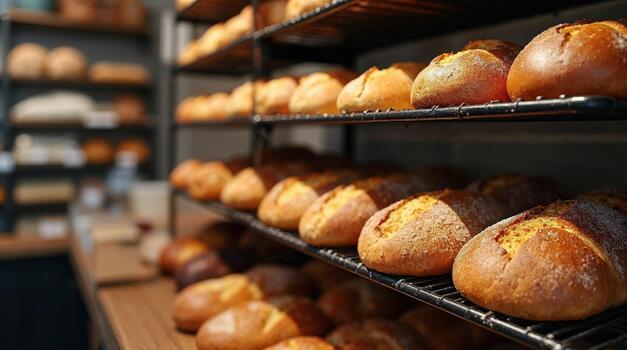
Maintaining product quality inside a bakery display case is one of the most persistent challenges in retail bakery environments. While these cases are designed to showcase products attractively and encourage impulse purchases, they can also unintentionally accelerate moisture loss. This directly impacts texture, taste, and visual appeal ultimately reducing product value before it even reaches the customer.
Understanding why bakery products lose moisture inside display cases is essential for improving shelf life, minimizing waste, and ensuring consistent product presentation throughout the day.
The Science Behind Moisture Loss in Bakery Displays
Bakery products naturally contain moisture that keeps them soft, fresh, and appealing. However, once placed in a display environment, they are exposed to air circulation, lighting, and temperature fluctuations. These factors collectively contribute to evaporation.
Unlike sealed storage, display cases are designed for visibility and accessibility. This makes it harder to prevent bakery products from drying out, especially in high-traffic retail settings where doors are frequently opened or cases are exposed to ambient air.
Moisture loss is not just a cosmetic issue. It affects:
- Texture, making products dry or stale
- Flavor, reducing overall taste quality
- Weight, contributing to product shrinkage
- Customer perception, lowering purchase intent
The Role of Airflow and Case Design
One of the primary causes of moisture loss is airflow within the display system. Improper or excessive air circulation can strip moisture from exposed bakery items.
How Airflow Impacts Product Quality
- Continuous air movement increases evaporation rates
- Uneven airflow creates inconsistent drying across products
- Open or poorly sealed cases allow ambient air to enter
This is why bakery case airflow must be carefully managed. While airflow is necessary to maintain temperature and prevent condensation, excessive or poorly directed airflow can quickly dry out delicate items like pastries, cakes, and bread.
In many retail environments, airflow is optimized for temperature control rather than moisture retention, which leads to a trade-off between cooling efficiency and product quality.
Temperature and Humidity Imbalance
Temperature and humidity are closely linked when it comes to bakery preservation. Even small fluctuations can accelerate moisture loss.
Key Factors Affecting Moisture Retention
- Low humidity levels increase evaporation
- High temperatures speed up moisture loss
- Frequent door openings disrupt internal conditions
Maintaining proper bakery display case humidity is essential for preserving freshness. When humidity levels drop too low, products begin to dry out from the surface inward. On the other hand, excessive humidity can cause condensation, which leads to sogginess and visual defects.
Balancing humidity is not always straightforward, especially in mixed-product displays where different items require different conditions.
Impact on Bakery Shelf Life and Waste
Moisture loss has a direct impact on bakery shelf life, reducing the time products remain sellable. Items that appear dry or stale are less likely to be purchased, even if they are technically safe to consume.
Common Consequences of Moisture Loss
- Increased product shrink due to weight loss
- Higher rates of unsold inventory
- More frequent product rotation requirements
- Reduced profitability per batch
Over time, these issues contribute to operational inefficiencies and higher waste levels. For retail bakeries, this means more frequent production cycles and increased labor costs.
Why Display Conditions Matter More Than Storage
It is important to recognize that bakery products often behave differently in display compared to storage. While back-of-house storage may maintain controlled conditions, front-of-house displays are exposed to:
- Customer interaction
- Ambient temperature changes
- Lighting heat
- Air exchange
This makes display environments inherently more challenging for moisture retention. Even high-quality products can deteriorate quickly if display conditions are not properly managed.
Strategies to Reduce Moisture Loss in Display Cases
Improving moisture retention does not always require a complete system overhaul. In many cases, targeted adjustments can significantly enhance product quality.
Practical Solutions for Retail Bakeries
- Optimize airflow direction to reduce direct exposure on products
- Monitor and adjust humidity levels regularly
- Use case designs that limit unnecessary air exchange
- Rotate products strategically to minimize exposure time
- Train staff to minimize unnecessary case openings
These strategies help create a more stable environment that supports product freshness without compromising visibility or accessibility.
The Role of Equipment and Maintenance
Even the best-designed display systems require proper maintenance to perform effectively. Over time, components such as seals, fans, and controls can degrade, leading to inconsistent conditions.
Maintenance Priorities
- Check seals and doors for air leaks
- Ensure airflow systems are functioning correctly
- Clean components to maintain efficiency
- Calibrate temperature and humidity controls
Regular maintenance ensures that display systems operate as intended, reducing the risk of moisture loss and improving overall performance.
Balancing Presentation and Preservation
Retail success depends on both visual appeal and product quality. A well-designed display should enhance presentation without compromising freshness.
However, achieving this balance requires a clear understanding of how environmental factors affect bakery items. By addressing airflow, humidity, and temperature, retailers can create conditions that support both merchandising and preservation goals.
Conclusion
Moisture loss inside display cases is a critical challenge that directly impacts product quality, customer satisfaction, and profitability. Managing bakery case airflow and maintaining proper bakery display case humidity are essential steps in preserving freshness and extending bakery shelf life. When retailers focus on optimizing display conditions and implementing practical solutions to prevent bakery products from drying out, they can significantly reduce waste and improve overall performance.